
 Photoshop
 Maya
Maya ZBrush
 Houdini
 Substance Painter
 Blender
 Nuke
Nuke Arnold
 KeyShot
 V-Ray
V-Ray Mari
Mari Marvelous Designer
 Marmoset Toolbag
 3ds Max
 3DCoat
 Redshift
 After Effects
 Faceform Wrap
 Lightroom
 OctaneRender
 SpeedTree
 Daz 3D
 Agisoft Metashape
 Fusion
 Modo
Modo RealityCapture
 Gaea
Gaea Cinema 4D
 Gravity Sketch
 Premiere
 Procreate
 Substance 3D Modeler
 Katana
 Mudbox
 Krita
Krita World Creator
 Yeti
Yeti Ziva VFX
 SketchBook
 Quixel DDO
 Mixamo
 Natron
 Quixel Bridge
 Quixel Megascans
 Adobe Medium
 Quixel Mixer
 SynthEyes
 Clip Studio Paint
 SketchUp
 Unity
Unity Gaffer
 Massive
 Materialize
 Ornatrix
 PreForm
 Corel Painter
 Moi 3D
 QuickTime
 Storyboard Pro
 TreeIt
 animBot
 ReCap
ReCap Meshmixer
 DaVinci Resolve
 World Machine
 xNormal
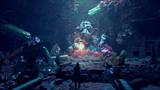







In this advanced workshop, VFX Director Fabio Silva reveals the high-end technical workflows used to create cinematic visual effects for AAA titles. Having worked for Naughty Dog, Blizzard, Epic Games, Crytek, Guerrilla Games, and Striking Distance Studios, Fabio has designed this workshop for intermediate- to advanced-level artists, focusing on teaching how to create a reactive, high-tech sci-fi shield system over four hours of comprehensive instruction. Fabio brings his expertise as a three-time VES Award winner to help artists bridge the gap between complex technical logic and high-fidelity artistry.
The core of the workshop focuses on Unreal Engine 5, where artists will learn how to construct a sophisticated, multi-stage Dome Material. Fabio shows how to master Render Target setup to create a barrier that physically and visually reacts to external impacts. He also dives deep into Blueprint logic for projectiles and explosions, covering all the logic required for the weapon to fire them, ensuring every interaction is tracked and rendered in real time.
To achieve professional results, Fabio demonstrates how to use EmberGen to simulate and export high-fidelity flipbooks, integrated with Niagara Particle Systems for weapon and shield interactions. Additionally, he shows how to create custom, optimized, VFX-tileable textures from scratch in Substance Designer.
As well as teaching AAA-standard workflows, Fabio shares his critical industry insights into R&D, pipeline optimization, and prioritizing visual impact within the technical constraints of a modern game engine. By the end of this workshop, artists will have mastered the art of creating reactive visual effects systems required for next-generation development.
Downloadable project files include: Tileable textures and brushes, as well as the mesh used for the dome.
11 Lessons
In this opening chapter, Fabio M. Silva establishes the creative goals for the high-tech sci-fi dome project, discussing how the project will be tackled using one of the templates that ships with Unreal Engine 5 as the starting point.
Duration: 2m 36s

In this second lesson, Fabio shows how to utilize Miroboard to assemble a professional reference sheet, establishing the visual foundations for the dome effect. He discusses how such tasks are assigned in a AAA production environment, highlighting the critical questions artists must ask to ensure success. Artists will learn how to deconstruct creative briefs into actionable technical milestones before beginning any engine work.
Duration: 13m 17s

In this lesson, Fabio transitions the workflow into Substance Designer to author the foundational textures required for the sci-fi barrier. Artists will learn how to build procedural nodes that offer good flexibility, allowing for quick iterations and tileable results, which Fabio will then show how to use in the materials in Unreal Engine 5.
Duration: 18m 35s

Beginning the first half of the dome material construction, Fabio starts by building the master shader in Unreal Engine 5. He focuses on establishing the primary shield visual, incorporating the textures generated in Substance Designer. He explains the logic behind sophisticated Fresnel effects and scrolling parameters, ensuring the barrier has a high-tech aesthetic that maintains clarity and visual interest.
Duration: 23m 13s

Continuing with the shader development, Fabio dives into more advanced material logic to refine the dome's appearance. This lesson covers integrating secondary detail layers, distortion parameters, and color modulation. Artists will learn how to keep their material graph organized and optimized while achieving the complex, multi-layered look expected in top-tier, AAA, sci-fi environments and cinematic gameplay sequences.
Duration: 37m 38s

This lesson introduces the technical backbone of the reactive shield: Render Targets. Fabio guides artists through setting up high-performance Render Targets in Unreal Engine to track spatial data. Artists will learn how to capture coordinate information dynamically, allowing the dome material to "know" exactly where and when an external impact has occurred on its surface.
Duration: 46m 18s

With the Render Target established, Fabio now shows how to implement the Blueprint logic that drives the interaction. This lesson covers how projectiles, explosions, and the barrier communicate with one another. Artists will learn to pass hit data into the shader system, creating a truly reactive system in which every projectile strike triggers a localized, visually accurate response on the dome.
Duration: 18m 47s

In this lesson, Fabio moves into Embergen to simulate high-fidelity fire, explosion, and smoke effects. This lesson demonstrates how to create real-time simulations, export them as optimized flipbook textures, and use them for final weapon impacts and shield-surface explosion effects.
Duration: 10m 57s

This lesson focuses on the delivery system for our effects: the weapon. Fabio dives into Unreal Engine's Blueprint system to configure a functional weapon that fires our reactive projectiles. He explains how to synchronize weapon fire with the particle systems and logic established in previous chapters, ensuring a seamless and responsive experience between the player’s actions and the environment.
Duration: 18m 59s

Using the Niagara VFX system, Fabio shows how to construct the particle effects for the weapon, projectile trails, and shield impacts. This lesson teaches artists how to utilize the Embergen flipbooks and custom modules to create dynamic, high-performance particles. He focuses on timing, scale, and color to ensure the effects feel powerful and integrated into the sci-fi dome system.
Duration: 20m 53s

In this final lesson, Fabio shows how to integrate all the individual components: the dome material, Blueprint logic, and Niagara systems, into a single, unified scene. He demonstrates how to polish the final effect and make the final, smaller tweaks to each of the elements created in the previous lessons. Artists will conclude the workshop with a complete, reactive AAA-quality sci-fi barrier for their portfolio.
Duration: 26m 19s

Primary tools
For this workshop you’ll need:


* Note that these programs and materials will not be supplied with the course.
Project Files
Skills Covered
Who’s this Workshop for?
This workshop is designed for intermediate to advanced-level VFX artists and technical artists who are looking to transition from creating standalone effects to building complex, reactive systems. It is ideally suited for professionals or high-levelstudents who already possess a fundamental understanding of Unreal Engine 5, Niagara, and want to take their real-world games production skills to the next level. It’s also ideal for those who are interested in learning essential tools to become tech artists or VFX artists in the AAA games industry.
Learning Outcomes
By completing this workshop, artists will have learned some of the high-end technical workflows used to create cinematic visual effects for AAA titles.
Key skills include:
- How to create complex VFX real-time sci-fi materials in Unreal Engine 5
- How to use and paint on render targets that influence the way textures behave in actors
- How to create particle systems using Niagara in Unreal Engine 5
- How to generate tileable VFX textures inside Substance Designer
- How to create blueprint logic for advanced VFX and weapons to previz VFX
- How to use Embergen to generate flipbooks to use in conjunction with Niagara inside UE5


